November 12, 2026
A gas smell inside your home should always be treated as a potential emergency, even if it seems faint or disappears after a few moments. Propane is commonly used for home heating, cooking, water heating, and other household appliances, making it important for homeowners to recognize the warning signs of a possible leak. The distinctive odor added to the fuel helps people detect a problem before it becomes more dangerous. If you notice a rotten-egg or sulfur-like smell, do not try to locate the source yourself or assume the issue will resolve on its own. A leak can create a fire or explosion hazard, particularly in enclosed spaces where gas can accumulate. Knowing what to do immediately can help protect everyone in the household and prevent actions that could ignite the gas. It is equally important to understand when to leave the property and whom to contact for professional assistance. By responding carefully and following established safety guidance, homeowners can take the right steps during a potentially dangerous situation.
Recognizing the Warning Signs of a Gas Leak
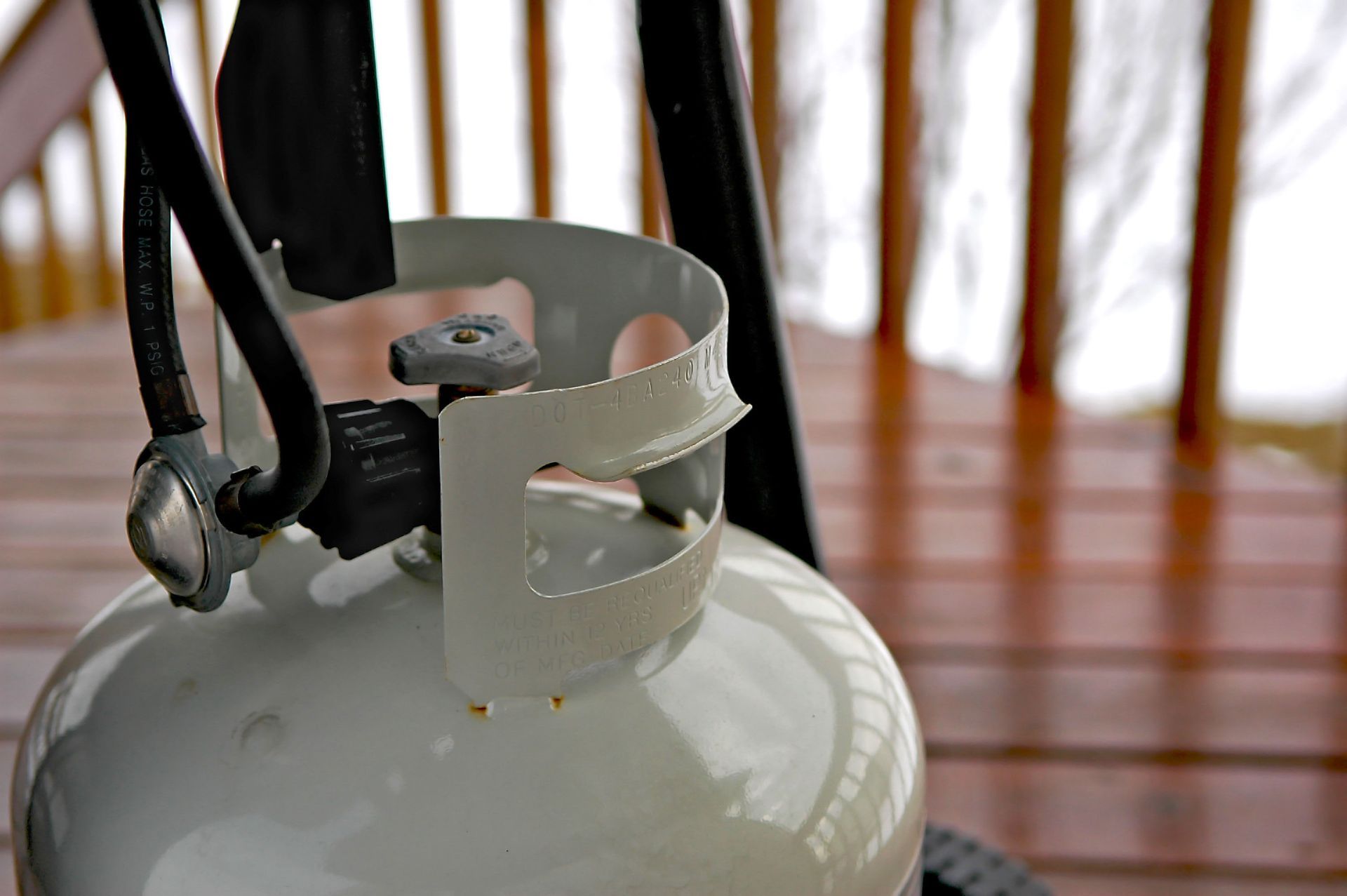
The smell of rotten eggs or sulfur is one of the most recognizable signs of a possible gas leak. Although the fuel itself is naturally odorless, an odorant is added to help people detect its presence. According to the U.S. Energy Information Administration, Dr. Walter Snelling discovered propane's existence as a hydrocarbon gas liquid in 1912. This discovery contributed to the development of a fuel that is now used for a variety of residential and commercial purposes. Beyond an unusual odor, homeowners may notice a hissing sound near a gas line, tank, regulator, or appliance connection. Some leaks may also produce visible signs, such as frost around a fitting or unusual bubbling when a leak is outdoors near a wet area. However, a leak may occur without any visible warning signs or obvious sound. Never rely on the absence of these clues to conclude that the system is safe.
Leaving the Home Without Creating Sparks
If you smell gas indoors, leave the building immediately and get everyone else out as well. Do not spend time searching for the leak, collecting belongings, or attempting to determine how serious the situation may be. Avoid turning lights, appliances, fans, or other electrical devices on or off because switches can create sparks. Do not use matches, lighters, candles, or anything else that produces a flame. Leave doors and windows as they are rather than delaying your departure to ventilate the property. If you can exit safely without passing through an area where the odor is strongest, do so promptly. Once outside, move a safe distance away from the building and keep other people away from the suspected leak area. Do not reenter the home until emergency responders or qualified professionals have confirmed that it is safe.
Contacting Emergency Services From a Safe Location
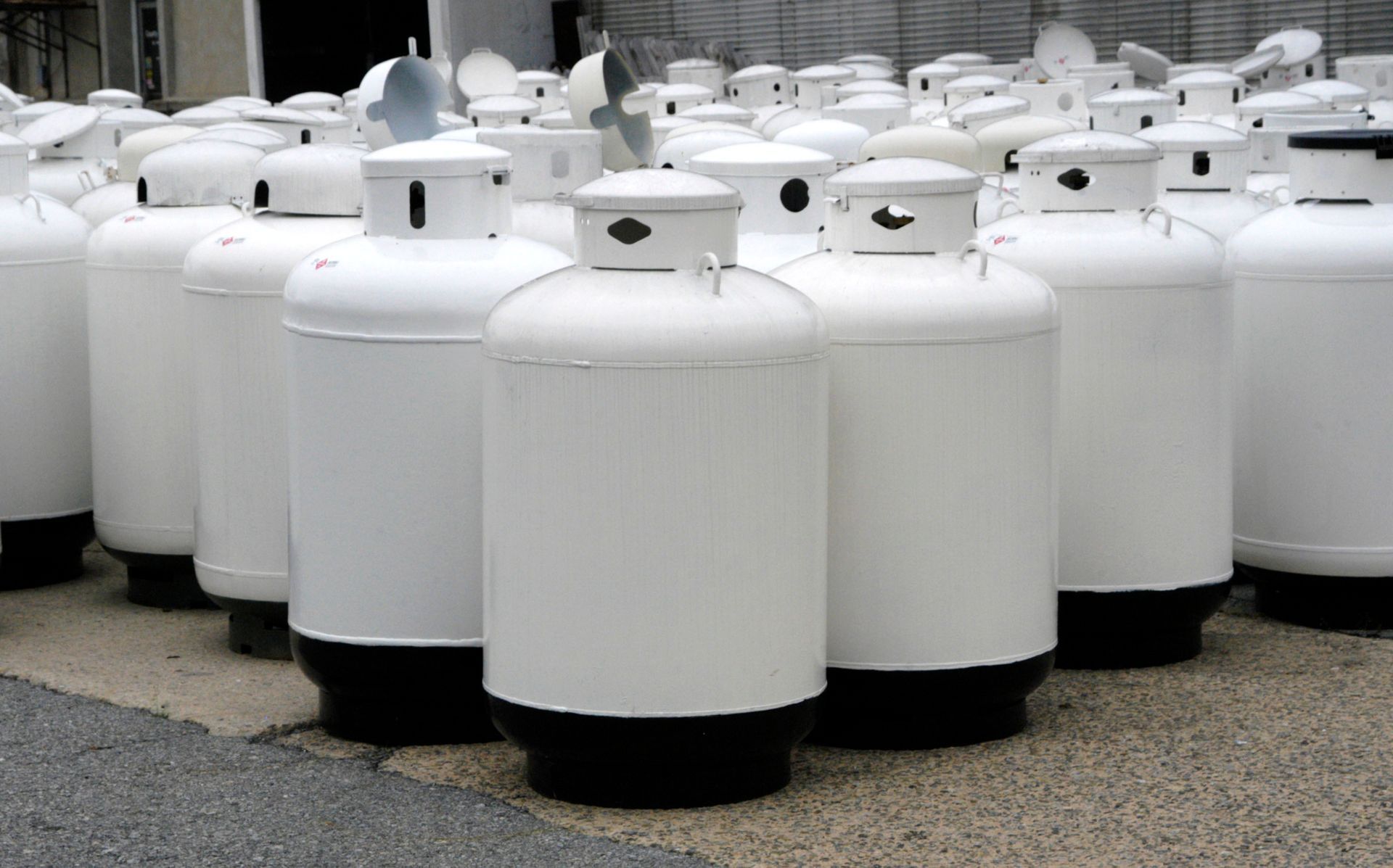
After reaching a safe location, contact emergency services if you suspect a gas leak or believe there is an immediate danger. Explain that you smell gas inside the home and provide the property's location so responders can assess the situation. Do not make the call from inside the building or immediately beside the suspected leak. If the fuel is supplied by a tank or utility provider, notify the appropriate gas supplier from a safe location as well, following emergency guidance. Avoid approaching an outdoor tank, valve, or gas line to investigate the problem yourself. If you hear a strong hiss, see damage to a tank, or suspect a substantial release, communicate those details to emergency personnel without moving closer. Keep family members, visitors, and pets away from the affected area while help is on the way. Wait for instructions from emergency responders before taking any further action.
Avoiding Common Mistakes During a Suspected Leak
Trying to fix a suspected leak without the proper training can put you and others at risk. Do not attempt to tighten fittings, disconnect appliances, adjust regulators, or shut off valves if doing so would require entering the affected area. Operating equipment or electrical controls may create an ignition source when gas is present. Avoid smoking or using any open flame near the building or the suspected release. Do not assume that a weak odor means the leak is minor, since the intensity of the smell does not reliably indicate the amount of gas escaping. Opening windows, turning on fans, or using a vacuum cleaner should not take priority over leaving the property. It is also unsafe to return indoors just to retrieve a phone, wallet, or other personal item. The safest response is to evacuate first and let emergency personnel or qualified technicians determine what should happen next.
Arranging a Professional Inspection and Repair
Once emergency responders determine that the immediate danger has been addressed, the gas system should be inspected by a qualified professional before it is used again. The technician can examine accessible piping, fittings, regulators, appliance connections, and other system components for damage or leaks. The inspection may also identify corrosion, loose connections, deteriorated materials, or installation problems that require correction. Any necessary repairs should be completed according to applicable safety requirements and manufacturer specifications. Homeowners should not restore the gas supply or relight appliances unless the responsible professional or emergency personnel specifically confirms that it is safe. If the system has been shut down, follow the instructions provided for restarting it rather than experimenting with valves or controls. A professional assessment can help determine whether the issue has been fully corrected and whether additional work is necessary. Keeping records of inspections and repairs can also help homeowners track maintenance and address recurring concerns.
Preventing Future Gas Leaks at Home
Although not every leak can be predicted, routine maintenance can help identify developing problems before they become emergencies. Schedule professional inspections according to the requirements of your equipment and the recommendations of qualified service providers. Pay attention to unusual odors, hissing sounds, appliance performance changes, or visible deterioration around accessible gas-system components. Never ignore a damaged line, loose fitting, or appliance connection that appears to be in poor condition. Keep combustible materials away from appliances and follow the manufacturer's instructions for safe operation and maintenance. Make sure household members understand the smell associated with a possible leak and know the quickest safe exit routes from the home. Discuss where everyone should meet outside and how to contact emergency services once they have evacuated. Carbon monoxide alarms are also important in homes with fuel-burning appliances, but they do not detect a gas leak and should not be treated as a substitute for recognizing the odor. Combining maintenance with household safety planning can improve preparedness and reduce avoidable risks.
A suspected gas leak requires immediate attention, and safety should always come before troubleshooting or repairs. Leaving the building, avoiding ignition sources, contacting emergency services from a safe location, and waiting for professional clearance are essential steps when a leak is suspected. After the immediate danger has been addressed, qualified service can help identify the cause and determine the appropriate corrective work. Automatic Gas Company can be contacted for assistance with propane gas-system service needs once the situation has been declared safe. Do not enter the property or operate gas equipment until emergency personnel or a qualified professional has confirmed that it is safe to do so. If you have questions about routine gas-system maintenance or need to arrange service after a safety incident, contact us to discuss the next appropriate steps for your home.