Running low on propane can disrupt home heating, hot water, cooking, or business operations. Prevention starts with tracking fuel use and arranging refills before the tank gets too low. Weather, equipment, and household routines all influence consumption. With a few consistent habits and the right propane services, customers can reduce the risk of an unexpected interruption without checking their tanks every day.
Reviewing How Your Property Uses Propane
Start by identifying every appliance connected to the propane system. A furnace, water heater, stove, fireplace, and generator may share one tank. Businesses might also depend on propane for forklifts, agricultural equipment, or commercial heating. Knowing these uses helps explain consumption changes.
Review previous delivery receipts to see how many gallons were added and how far apart deliveries occurred. Delivery records provide a useful starting estimate of consumption. A household's winter heating needs may differ sharply from its summer usage. If new appliances are installed or occupancy changes, let the supplier know so the delivery plan can be reconsidered.
Accounting for Seasonal Changes in Demand
Cold weather can increase propane use considerably when the fuel supplies a home's heating system. A tank that lasts months during mild weather may empty much faster during an extended cold spell. Businesses with seasonal demands can see similar changes.
Compare fuel levels and delivery intervals from the same season in previous years rather than relying only on an annual average. Before winter, discuss expected usage with a provider of propane services, especially if the property has added heated space or changed its operating schedule. Holiday cooking, frequent hot-water use, and generator operation can also affect demand. Estimates remain estimates, so leave room for unexpected conditions instead of planning to use the final gallons in the tank.
Checking the Tank Gauge Before Fuel Runs Low
Most stationary propane tanks have a gauge indicating an approximate percentage of fuel remaining. Check it regularly, and record the reading more frequently during periods of heavy use. A reading near 80% shortly after delivery is common because tanks need space for liquid propane to expand. The number on the gauge is not a direct measure of the number of days left.
Ask your supplier when to request a refill for your specific setup. Some providers recommend contacting them when the tank reaches roughly 20% to 30%, but a busy heating season or a remote property may require earlier planning. A log reveals how quickly the level changes. Gauge readings help with planning; they do not replace professional inspections or leak detection.
Selecting a Tank That Fits Current and Future Needs
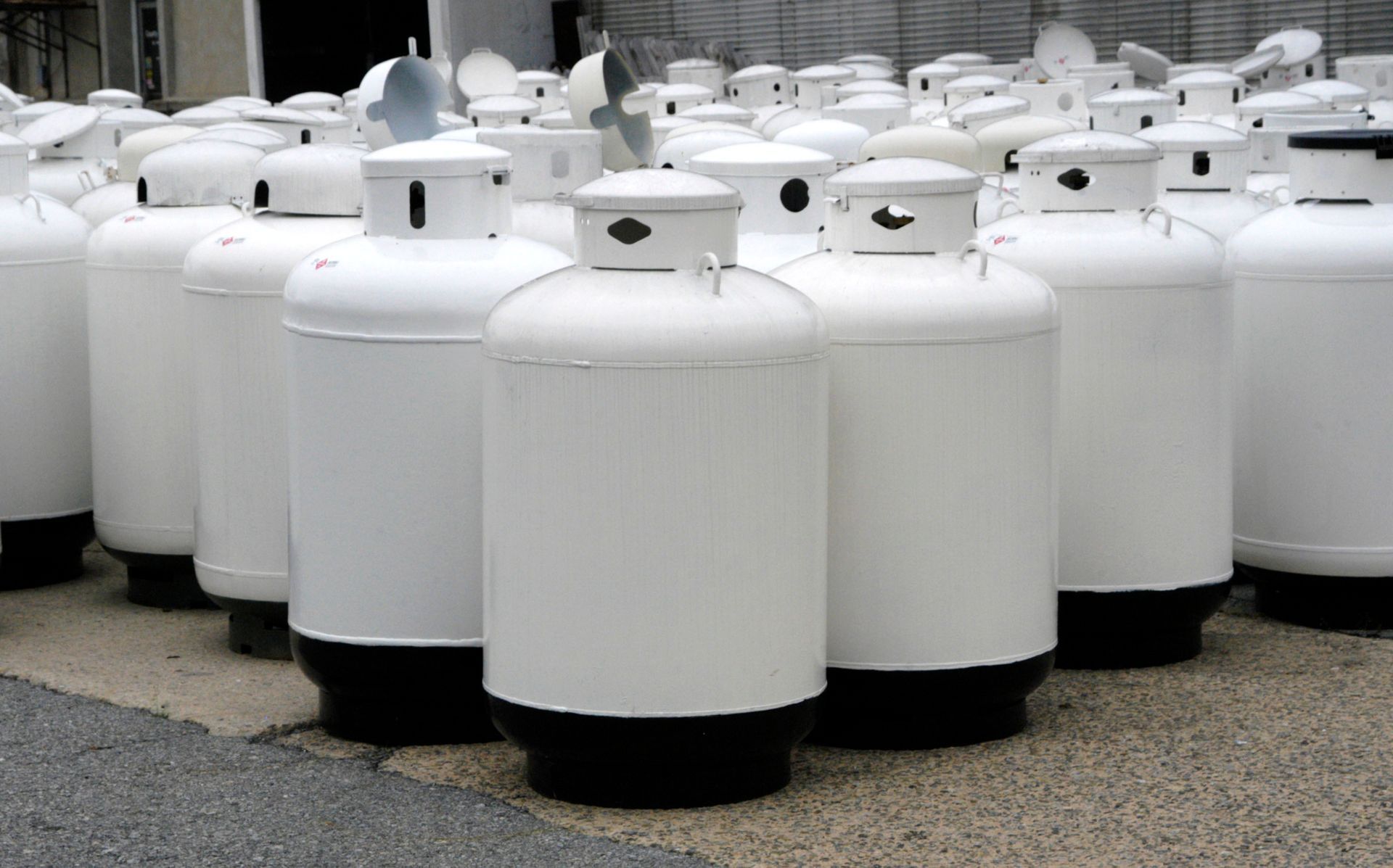
Tank size affects how often deliveries are necessary. A smaller tank may work for limited cooking or occasional outdoor use, while whole-home heating or commercial equipment usually calls for a different capacity. The appropriate choice depends on appliance demand, available space, refill access, and local installation requirements.
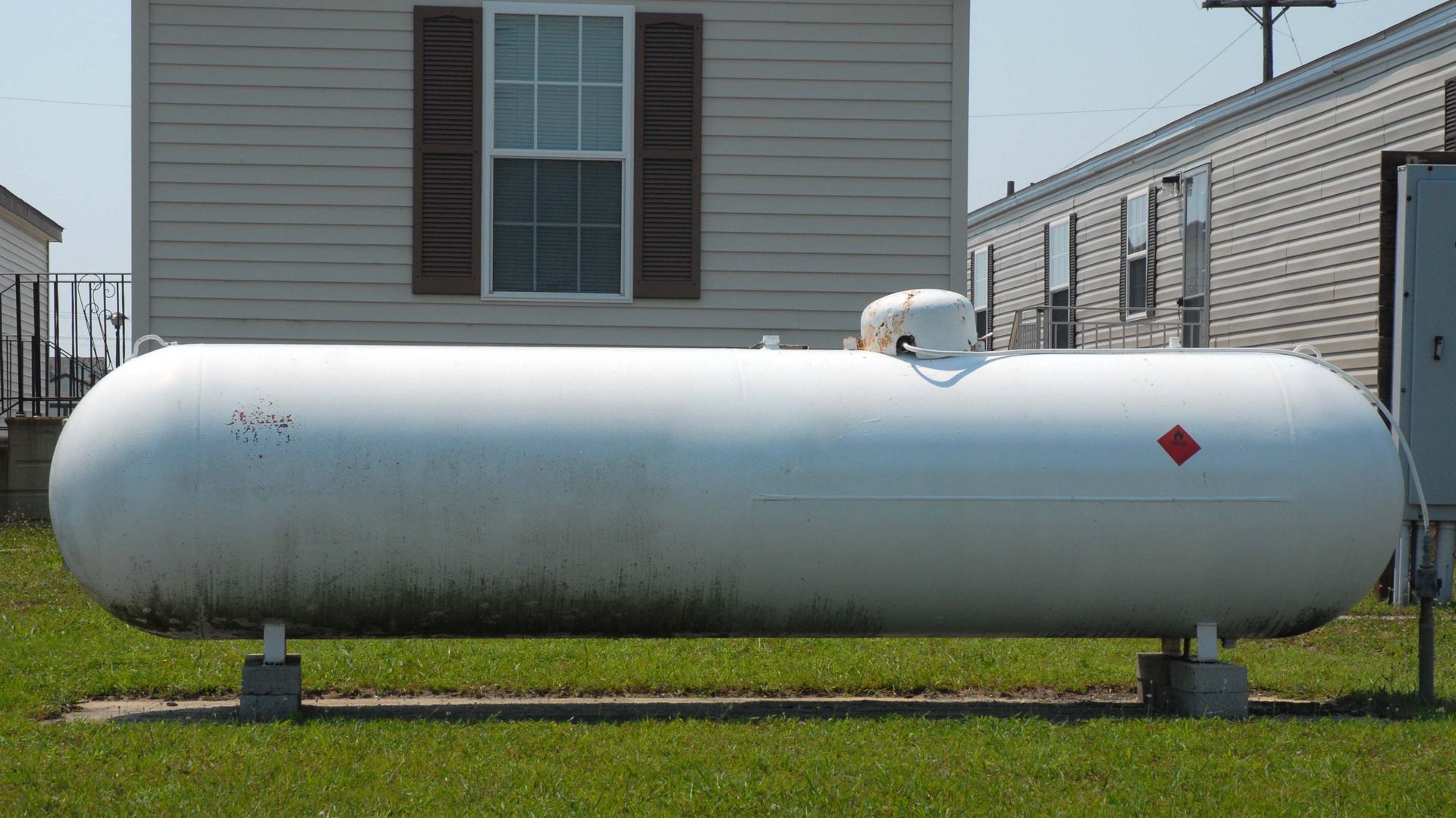
A propane services provider can review expected consumption and explain options for aboveground or underground storage. Placement must comply with applicable clearance and safety requirements, and underground installation involves additional site considerations. Tank size should match the property and the customer's actual needs. Mention planned generators, expansions, or equipment during sizing.
Comparing Scheduled and Automatic Delivery Options
With will-call delivery, the customer monitors the gauge and requests fuel when needed. This approach offers direct control but requires remembering to order early enough for scheduling. Automatic delivery uses information such as past usage, tank size, or weather to help determine when a refill is due. It can reduce the need for repeated calls, though an unusual increase in demand may still warrant contacting the provider.
Ask how each program works, whether delivery windows vary during peak demand, and what happens when expected consumption changes. Automatic Gas Company offers propane services such as will-call and keep-full deliveries, along with tank monitoring. Choose an arrangement that fits occupancy and expected fuel use.
Using Monitoring Technology as an Extra Planning Tool
A compatible tank monitor may transmit level readings to a provider or allow customers to review them remotely. This helps with remote properties and multiple business locations. Some systems support alerts when the reported level reaches a chosen threshold.
Before signing up for monitoring, ask who receives readings, how often they update, and whether someone must still request delivery. A weak signal, power problem, or equipment fault can interrupt reporting. Tank-level alerts also should not be mistaken for a gas-leak alarm. Monitoring adds useful information, but sound refill planning still depends on communication with the supplier and attention to changing usage.
Preparing for Winter Weather and Delivery Delays
Winter fuel planning also means keeping the tank accessible. Delivery drivers may need a clear route to the tank, suitable driveway conditions, and space to work safely. Keep access areas free of avoidable obstacles and follow the supplier's instructions for snow, ice, gates, and pets. Do not try to clear frozen tank equipment with heat or makeshift tools.
Severe weather can affect delivery routes, even when the customer's tank still has fuel. Check the gauge before a forecasted storm and contact your propane services provider early if the level approaches the recommended refill point. Households that rely on propane for essential heating should also plan for emergencies according to local safety guidance. Early preparation provides more options when conditions change.
Responding Safely to Empty Tanks and Possible Leaks
If a tank runs empty, contact the supplier rather than attempting to restart appliances without guidance. A propane system that has run out of gas may need a safety or leak check before service resumes. The provider can explain the required procedure and arrange an appropriate visit. Never bypass safety controls or attempt repairs on propane piping yourself.
If you smell gas or suspect a leak, leave the area immediately. Avoid flames, electrical switches, and anything that might create a spark. From a safe location, call the propane supplier or emergency services as appropriate, and do not return until qualified responders say it is safe. An active gas concern requires prompt action, not troubleshooting.
Keeping Market News in Perspective
Propane is part of a larger energy market, but national figures do not tell an individual household when to schedule its next delivery. According to the U.S. Energy Information Administration (EIA), U.S. propane exports averaged a record 1.8 million barrels per day in 2024. That statistic describes export activity; it does not establish what a local supplier has available today or predict a customer's next bill.
When comparing propane services, focus on factors a provider can explain directly, including delivery arrangements, tank responsibilities, payment plans, and communication during high-demand periods. If budgeting is a concern, ask about available options and read the terms before committing. Neither payment nor delivery plans replace monitoring fuel levels.
Building a Refill Routine You Can Maintain
A dependable routine does not need to be complicated. Keep delivery receipts, note major equipment changes, and check the tank gauge on a schedule that reflects the season. Know whom to call if a delivery is needed sooner than expected. Revisit the plan after adding appliances or increasing usage.
Automatic Gas Company provides residential and commercial propane delivery, tank options, and monitoring support. Contact the company to discuss
propane services that fit your usage patterns and property, including the refill approach that works best for your schedule. Consistent planning and clear communication can make an unexpected empty tank less likely.