October 30, 2026
Propane provides dependable energy for home heating, cooking, water heating, and other household needs. However, delivery decisions, pricing, and maintenance requirements can affect both costs and safety. Understanding common mistakes can help homeowners maintain a reliable fuel supply, prevent unnecessary expenses, and make informed energy decisions.
According to the National Council on Energy, 4.9% of American households depend on propane gas for home heating. For these households, reliable delivery and proper equipment maintenance are essential, particularly during colder months. Planning ahead and working with a dependable supplier can help prevent interruptions and manage energy expenses.
Neglecting Regular Tank Maintenance
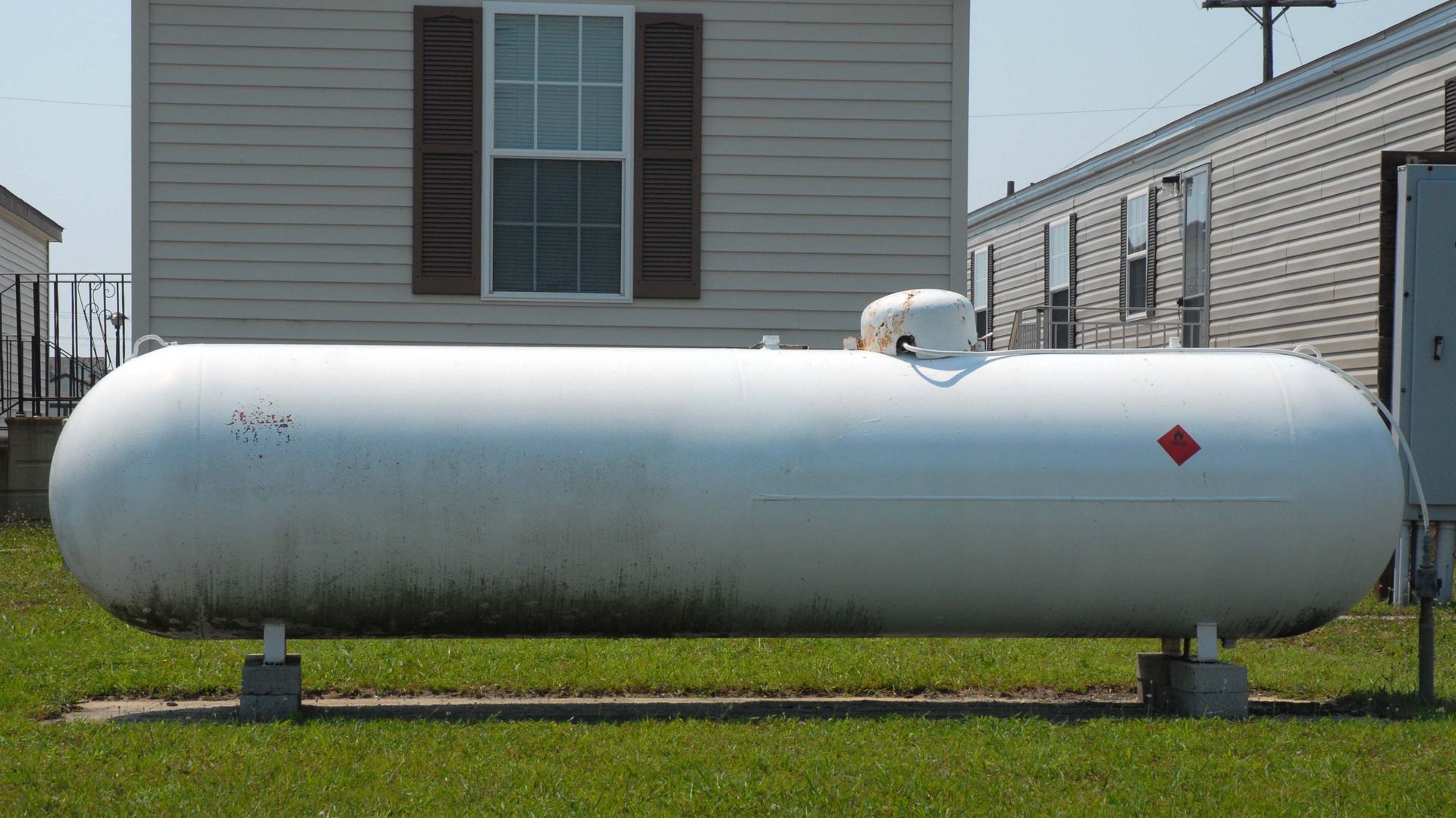
Propane tanks require periodic professional inspections to ensure safe and reliable operation. Exposure to moisture and changing weather conditions can contribute to corrosion, while damaged valves and worn connections can create safety risks or interfere with fuel delivery. Ignoring maintenance concerns may also lead to unexpected service expenses.
Scheduling inspections with qualified technicians helps identify potential issues before they become more serious. Professionals can assess tank conditions, check connections, and determine whether repairs or other services are necessary. Routine maintenance supports dependable performance and helps homeowners avoid preventable problems.
Homeowners should understand their tank's maintenance requirements and follow applicable inspection recommendations. Keeping track of professional service appointments and addressing concerns promptly can help ensure equipment remains suitable for continued use.
Reliable local propane services can help customers understand inspection requirements and coordinate appropriate maintenance. Working with an experienced supplier provides access to knowledgeable professionals who can address concerns and explain recommended service intervals.
Miscalculating Household Propane Needs
Underestimating propane consumption can leave a household without sufficient fuel during periods of high demand. Heating systems typically require more propane during colder weather, while water heaters, stoves, fireplaces, and other appliances contribute to consumption throughout the year. Fuel requirements depend on factors such as home size, insulation, outdoor temperatures, and appliance usage.
Homeowners should consider seasonal changes, household size, appliance efficiency, and historical usage when planning deliveries. Reviewing previous consumption can help establish how much fuel a property typically requires and make it easier to anticipate refills.
Planning ahead is particularly important when temperatures drop and delivery demand increases. Suppliers may have busier schedules during extended cold spells, making last-minute orders harder to accommodate. Running out of propane can interrupt heating and other essential household functions.
Local propane services can help customers estimate consumption and establish a supply plan that accounts for seasonal changes. Discussing expected usage with a supplier is especially useful after installing new propane appliances or experiencing significant changes in heating needs.
Overlooking Propane Safety Requirements
Propane safety should remain a priority throughout the delivery and storage process. Damaged equipment, improper installations, and inadequate ventilation around fuel-burning appliances can create serious hazards. Homeowners should ensure propane equipment receives appropriate professional attention and complies with applicable safety requirements.
Regular professional assessments can help identify equipment concerns before they become serious. Technicians can inspect relevant components, evaluate connections, and determine whether maintenance or repairs are necessary.
Recognizing the warning signs of a potential leak is equally important. Propane is naturally odorless, but an odorant is added to help people detect its presence. If someone smells gas or suspects a leak, they should leave the area immediately, avoid operating electrical switches or other potential ignition sources, and contact emergency services or the propane supplier from a safe location. They should not return until emergency personnel determine it is safe.
Household members should understand basic emergency procedures and know how to contact appropriate professionals. Local propane services can explain relevant precautions and help customers understand how to maintain a safe, dependable fuel supply.
Choosing an Unsuitable Delivery Schedule
The right delivery schedule depends on household consumption, tank capacity, weather conditions, and personal preferences. Some customers prefer automatic delivery, in which the supplier estimates usage and schedules refills. Others choose will-call delivery, which requires them to monitor their supply and request fuel when needed.
Automatic delivery can reduce the likelihood of running out of propane, especially during winter. Suppliers may use historical consumption and weather patterns to estimate when a refill is necessary. Customers should understand how their provider calculates delivery timing and what happens when weather or other circumstances delay a scheduled visit.
Will-call service offers greater control over ordering but requires careful attention to tank levels and sufficient lead time. Waiting until a tank is nearly empty increases the risk of interruptions, particularly during periods of high demand.
Weather conditions can also affect delivery planning. Snow, ice, and difficult road conditions may delay service or limit access to certain properties. Discussing seasonal scheduling with a supplier can help homeowners prepare for these challenges.
Local propane services can explain available delivery options and help homeowners choose a schedule suited to their needs. Reviewing the arrangement periodically is worthwhile when household consumption changes or propane use increases.
Missing Opportunities to Reduce Fuel Costs
Propane prices can vary among suppliers and fluctuate with market conditions, seasonal demand, and delivery arrangements. Homeowners who renew service agreements without reviewing their terms may miss opportunities to find more suitable pricing options.
Comparing suppliers involves more than looking at the advertised price per gallon. Customers should also consider delivery fees, minimum purchase requirements, payment terms, contract conditions, and emergency service availability. Understanding the full cost of each option makes comparisons more meaningful.
Some suppliers offer price-lock programs, pre-buy arrangements, or volume-based discounts. These options may benefit certain households, but their value depends on contract terms, expected consumption, and market prices. Homeowners should review payment obligations, cancellation policies, and other restrictions before committing to a program.
Local propane services can explain available pricing plans and help customers evaluate which arrangements best fit their budgets. Reviewing options periodically can help households manage energy expenses without compromising dependable service.
Failing to Compare Propane Suppliers
Choosing a supplier without comparing alternatives can result in higher expenses or service arrangements that do not meet a household's needs. Providers may differ in delivery coverage, customer support, payment options, maintenance assistance, and emergency response availability. Looking beyond price alone can help homeowners find a suitable balance of cost and reliability.
Homeowners should evaluate these factors before entering an agreement. Clear communication about delivery timelines, pricing, and service expectations helps prevent misunderstandings. Customer reviews may also provide insight into a provider's reliability and responsiveness.
It is equally important to understand contract details before switching suppliers. Some agreements include tank rental charges, equipment ownership requirements, minimum purchase commitments, or fees for ending service. Reviewing these conditions in advance helps customers avoid unexpected expenses.
Customers should also consider how a supplier handles questions and service requests. Dependable communication about billing, maintenance, and delivery schedules becomes particularly valuable during colder months when households rely heavily on propane.
Choosing local propane services with transparent terms and reliable customer support can help households maintain a consistent energy supply. Comparing providers periodically ensures that current arrangements continue to meet changing household needs and budgets.
Managing propane expenses requires thoughtful planning, appropriate equipment maintenance, and a reliable delivery partner. Homeowners can reduce avoidable disruptions by monitoring seasonal needs, reviewing pricing arrangements, and choosing a delivery schedule that fits their household.
Regular communication with a propane supplier can help homeowners address changing fuel requirements, understand delivery expectations, and coordinate appropriate maintenance. Whether a household relies on propane primarily for heating or uses it for several appliances, a well-planned supply arrangement supports comfort and convenience. Contact Automatic Gas Company to discuss propane delivery needs, explore available service options, and learn how local propane services can help support your property's energy requirements throughout the year.