June 12, 2026
Propane plays an important role in many households by powering furnaces, water heaters, stoves, fireplaces, and outdoor appliances throughout the year. Homeowners often choose propane because it provides reliable energy for heating and cooking while supporting efficient home comfort systems. Although propane systems are designed with safety in mind, proper handling and maintenance remain essential for preventing accidents and maintaining dependable performance. Small issues such as leaks, damaged connections, or poor ventilation can become serious hazards if they are ignored for long periods of time.
Many homeowners rely on local propane services to help ensure their systems operate safely and efficiently during every season. Understanding basic propane safetsy practices can help families reduce risks while protecting both their homes and loved ones. Consistent inpections, careful appliance use, and responsible storage habits all contribute to safer propane operation throughout residential properties.
Recognizing The Warning Signs Of A Propane Leak
One of the most important propane safety practices involves learning how to identify possible leak warnings around the home. Propane is naturally odorless, but manufacturers add a strong scent, often compared to rotten eggs, to help homeowners recognize leaks quickly. If this smell becomes noticeable indoors or near propane equipment, homeowners should leave the area immediately without operating electrical devices or open flames.
Even small sparks from switches or electronics may create dangerous conditions when propane accumulates in enclosed spaces. Homeowners often work with local propane services because trained technicians understand how to inspect systems safely and identify leak sources properly. Unusual hissing sounds near tanks, damaged gas lines, or dying vegetation around underground systems may also indicate a potential problem. Responding quickly to warning signs helps reduce safety risks and allows professionals to address issues before they become more serious.
Scheduling Routine Inspections For Propane Systems
Regular inspections play a major role in keeping propane equipment operating safely and efficiently throughout the year. Over time, gas lines, valves, regulators, and appliance connections may experience wear that affects overall system performance. Professional technicians can identify small concerns early before they lead to leaks, reduced efficiency, or mechanical failures within the home.
Many homeowners schedule annual inspections to ensure heating systems and propane-powered appliances continue operating as intended during colder seasons. According to This Old House, newer propane furnaces can reach efficiency levels approaching ninety-eight percent when maintained properly. High-performing systems depend on clean components, reliable connections, and routine servicing that supports safe operation. Property owners who use local propane services often gain peace of mind knowing experienced professionals are monitoring the condition of their propane systems regularly.
Maintaining Proper Ventilation Around Appliances
Adequate ventilation is essential for any home using propane-powered appliances or heating systems. Furnaces, water heaters, fireplaces, and cooking equipment require proper airflow to operate safely and efficiently indoors. Blocked vents or restricted airflow may increase the risk of carbon monoxide buildup, which can create serious health concerns for occupants.
Homeowners should routinely check exterior vents for debris, snow accumulation, or obstructions caused by plants and outdoor materials. Many families depend on local propane services to inspect ventilation systems and confirm that appliances are functioning under safe operating conditions. Carbon monoxide detectors should also be installed throughout the home to provide additional protection and early warning of dangerous gas buildup. Maintaining proper ventilation helps support safer indoor air quality while improving the performance of propane-powered equipment.
Storing Propane Tanks In Safe Locations
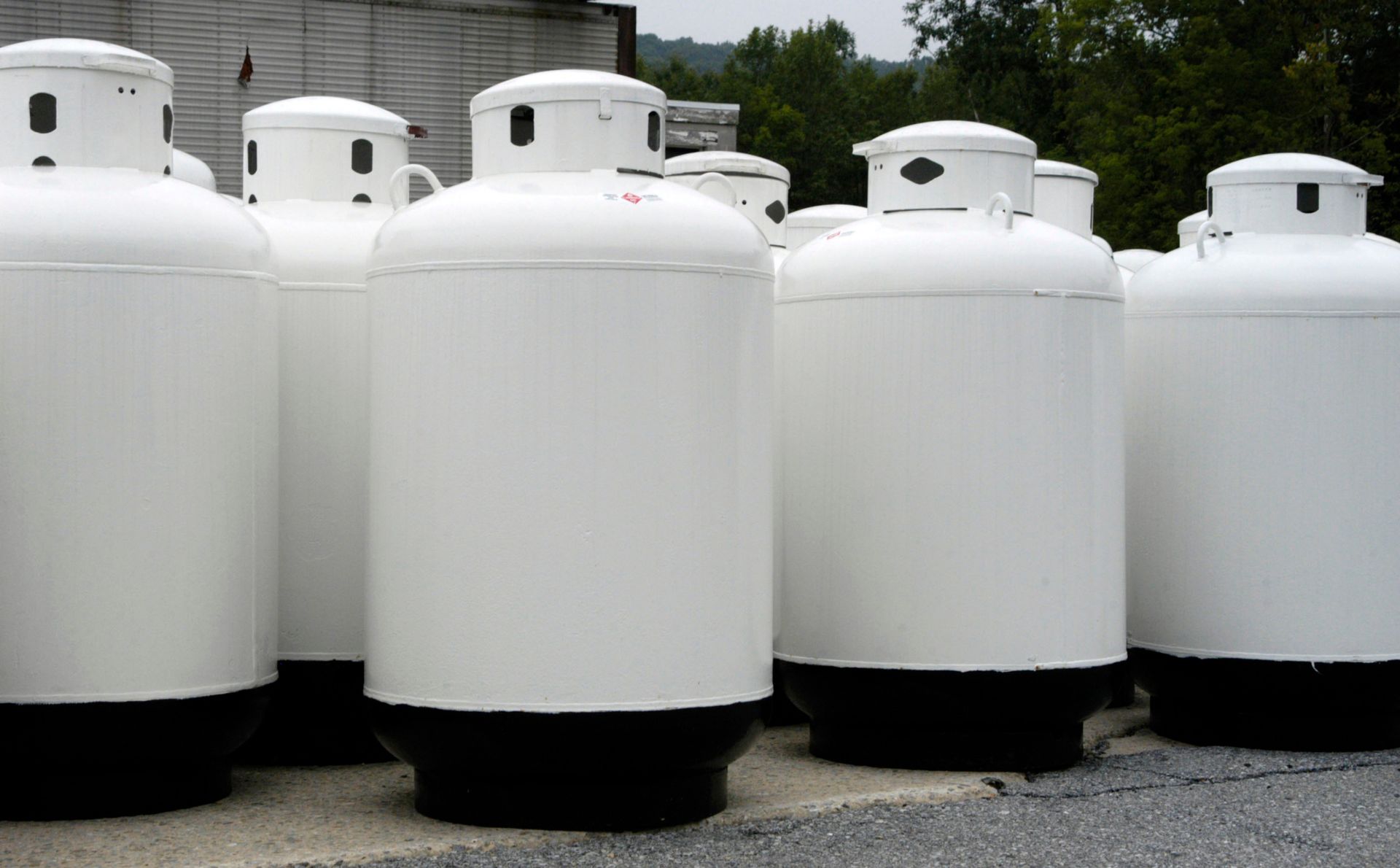
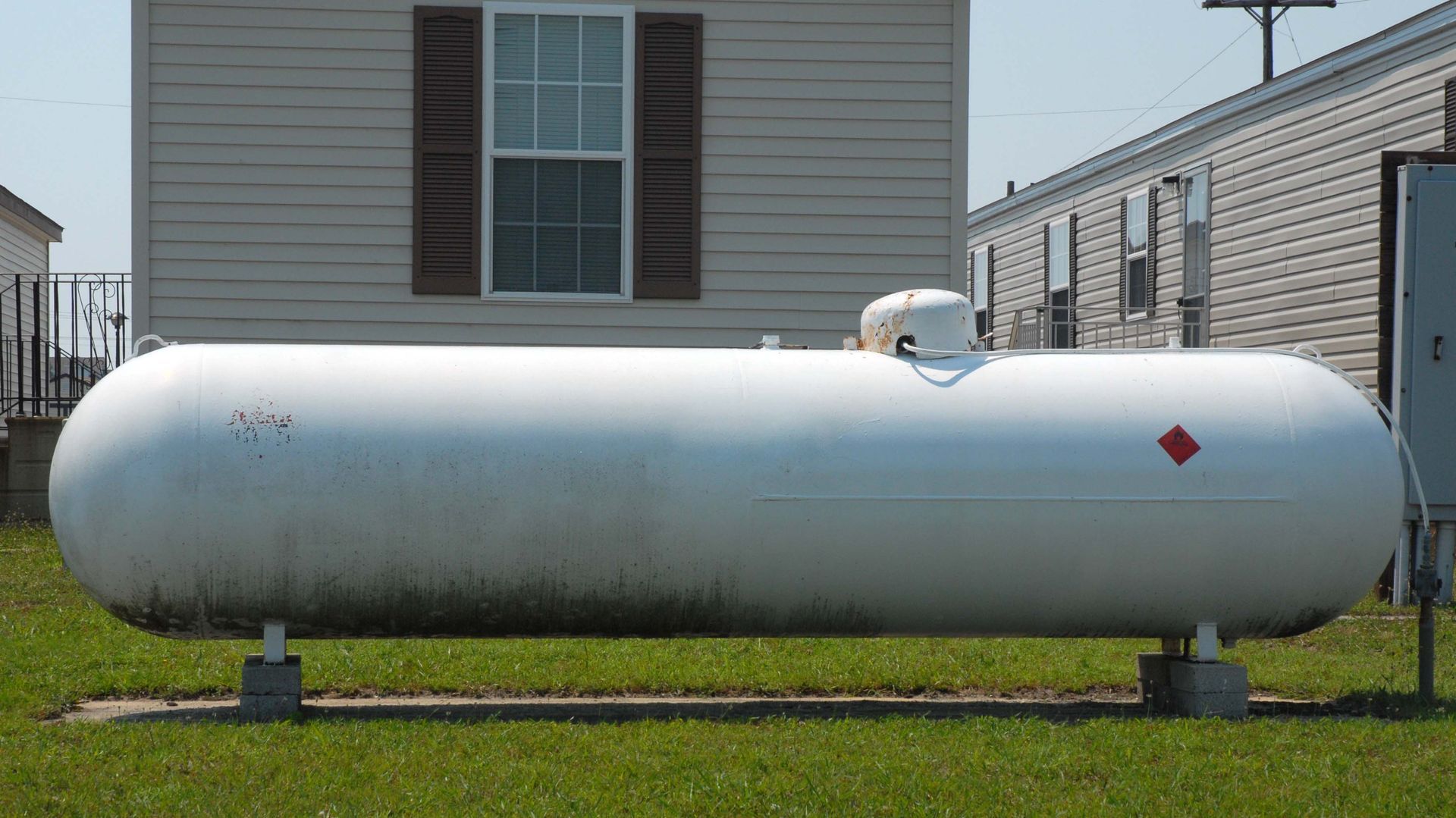
Proper propane tank storage is another important responsibility for homeowners using propane systems on their property. Tanks should always remain upright and positioned in well-ventilated outdoor areas away from heat sources or open flames. Storing propane containers inside garages, sheds, or enclosed spaces can create unnecessary safety hazards if leaks occur. Avoid placing combustible materials or heavy objects near propane tanks where damage may occur accidentally.
Professional technicians who provide local propane services can recommend appropriate tank placement based on property layout and household energy needs. It is also important to keep access areas around tanks clear so emergency responders or delivery personnel can safely reach the equipment when necessary. Responsible storage practices help reduce fire risks and support safer propane usage throughout the property.
Using Propane Appliances With Greater Caution
Propane appliances are designed for dependable performance, but safe usage habits remain important for preventing accidents inside the home. Homeowners should always follow manufacturer instructions when operating propane-powered stoves, grills, heaters, or fireplaces. Outdoor propane appliances should never be used inside enclosed spaces because they may create dangerous ventilation problems or carbon monoxide buildup.
Families should also monitor appliance performance for signs such as unusual flames, inconsistent heating, or strange odors that may indicate mechanical concerns. Many homeowners contact local propane services when appliances begin showing irregular behavior or reduced efficiency during everyday use. Professional inspections can help identify whether repairs or adjustments are needed before the equipment becomes unsafe. Responsible appliance operation helps support safer living conditions while extending the lifespan of propane-powered systems.
Preparing For Severe Weather And Emergencies
Storms and severe weather conditions can create additional propane safety concerns for homeowners throughout the year. Strong winds, flooding, heavy snow, and falling debris may damage tanks, gas lines, or connected appliances around the property. Inspect propane equipment after severe weather events and contact professionals if visible damage or unusual odors are detected.
It is also helpful to know how to shut off the propane supply safely during emergencies when instructed by qualified technicians or emergency responders. Many families rely on local propane services for guidance about emergency preparedness and post-storm system inspections. Keeping emergency contact numbers accessible allows homeowners to respond more quickly if propane-related concerns arise unexpectedly. Preparing ahead of time helps reduce stress and improve safety during unpredictable weather conditions.
Teaching Family Members About Propane Safety
Every household member should understand basic propane safety practices to help prevent accidents and respond appropriately during emergencies. Children should learn that propane equipment and tanks are not toys and should never be tampered with under any circumstances. Adults in the household should know how to recognize warning signs, shut off appliances properly, and contact professionals if problems develop.
Discussing emergency procedures ahead of time can help families respond more calmly and effectively during unexpected situations. Homeowners often choose local propane services because experienced providers can answer questions and explain important safety recommendations for residential systems. Educational resources and regular communication also help reinforce safe habits throughout the home year-round. A well-informed household is better prepared to maintain a safer environment while using propane responsibly every day.
Monitoring Equipment Performance Throughout The Year
Propane systems may operate differently throughout changing seasons, depending on household usage and weather conditions. Increased heating demands during colder months can place additional strain on furnaces, regulators, and other propane-powered equipment. Homeowners should pay attention to unusual noises, fluctuating temperatures, or inconsistent appliance performance that may signal developing issues.
Delaying maintenance often allows minor concerns to become more serious problems that affect both efficiency and safety over time. Many families schedule routine appointments with local propane services to help ensure their systems continue operating reliably throughout every season. Preventive maintenance also helps technicians identify worn components before unexpected breakdowns occur during periods of heavy usage. Consistent monitoring and professional support contribute to safer propane operation while helping homeowners maintain dependable comfort indoors.
Automatic Gas Company is committed to helping homeowners maintain safe, efficient, and reliable propane systems for everyday comfort and peace of mind. Whether you need propane delivery, system inspections, equipment maintenance, or safety guidance, our team is ready to help. Contact us today to learn more about dependable local propane services designed to keep your home operating safely throughout every season.